





Economic Dimension
Sustainable &
Responsible Finance
Driving positive environmental and social impact through sustainable and responsible financing practices.
At CIMB, our approach to sustainable and responsible finance is centred on the dual purposes of supporting our clients in realising opportunities to create enduring positive outcomes, while managing environmental and social risks. We see an immense opportunity to enable our clients to transition to a low-carbon and more equitable society. At the same time, we recognise our responsibility to proactively help our clients to manage and protect themselves from evolving sustainability risks. By doing so, we minimise the risk of stranded assets, potential client defaults and reputational damage.
Our Group Sustainable Financing Policy (GSFP) governs E&S risk management in non-retail financing and capital-raising transactions, enabling informed decisions aligned with our values. Through it, we identify, assess and manage E&S risks across all sectors with heightened focus on clients most vulnerable to such risks. Learn more about how we help clients transition sustainably.
Responsible Banking
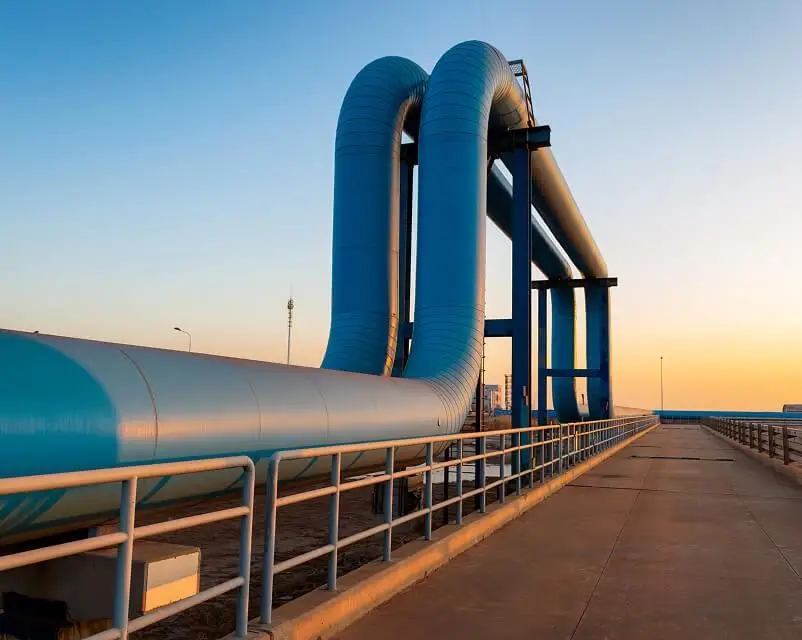
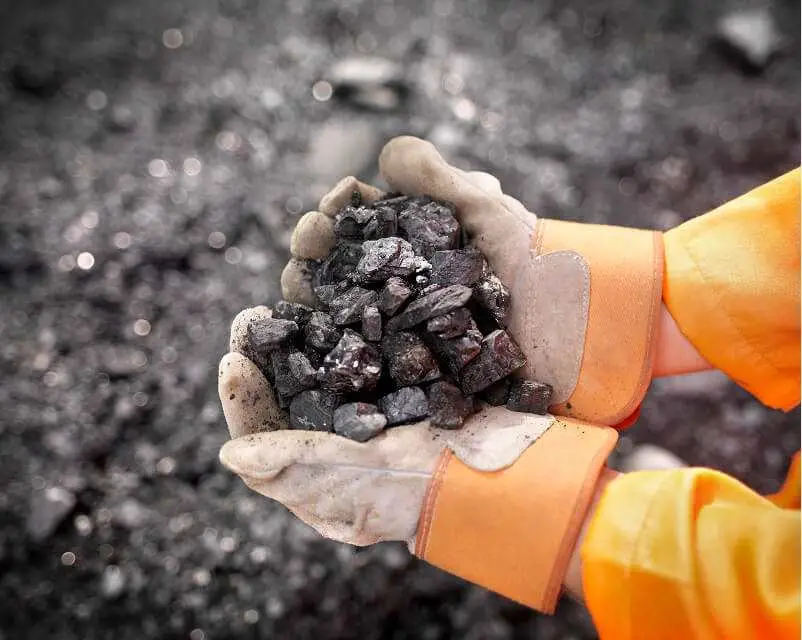
CIMB Group has established Sustainability Sensitive Sector Position Statements for industries with elevated environmental and social risks, namely Palm Oil, Forestry, Construction & Infrastructure, Oil & Gas, Coal & Power Generation, Mining & Quarrying, and Manufacturing. These sector guides set out the Group's expectations through clear Prohibitions, Requirements, and Encouragement to support responsible business practices while managing sustainability risks.
In line with our Group Sustainable Policy (GSP), CIMB integrates environmental and social (E&S) considerations into financing decisions through a risk-based due diligence process. This is supported by sector-specific sustainability requirements and the Group’s Exclusion List, which prohibits financing for certain activities, including new thermal coal developments, specified oil and gas activities, and other environmentally or socially harmful practices. For sustainability-sensitive sectors such as palm oil, clients are expected to meet applicable minimum requirements, including compliance with mandatory sustainability certifications such as MSPO, ISPO or RSPO, where relevant. CIMB also assesses broader E&S considerations, including environmental impacts, biodiversity and deforestation risks, greenhouse gas emissions, labour practices, human rights, occupational health and safety, and community impacts. Where clients do not yet meet our sustainability expectations but demonstrate a commitment to improvement, we actively engage through time-bound action plans. However, CIMB will not provide new or additional financing to clients engaged in prohibited activities, clients on the Group’s Sustainability Watchlist, or clients unwilling to meet the Group’s minimum sustainability requirements.
As part of our biodiversity and nature risk management approach, CIMB has embedded No Deforestation, No Peat and No Exploitation (NDPE) principles as a fundamental requirement, particularly for high-priority sectors such as palm oil and forestry. Our NDPE commitments seek to protect forests, peatlands, biodiversity and ecosystems, while promoting responsible land use and safeguarding human rights, including prohibiting forced labour, child labour and other exploitative labour practices.
Sector Position Statements
Empowering Our Customers
Our commitment to continuously create positive and sustainable impact through our financing is encapsulated in our Green, Social, Sustainable Impact Products and Services (GSSIPS) Framework, which provides a guide and an internal taxonomy for the Group to deliver impactful sustainable finance. It is a living document that allows for emerging sectors, technologies and financing instruments, where we can support our clients to transition to a low-carbon and sustainable future. The GSSIPS Framework guides our efforts towards facilitating a just transition and positive social outcomes through our products and services, and is aligned with the principles of Islamic finance through the Value Based Intermediation (VBI), as well as global frameworks and goals such as the UN SDGs.
Through the GSSIPS framework, our frontliners are empowered to consistently identify and encourage eligible sustainable financing activities that produce positive impacts for the environment and society, while minimising potential greenwashing risk. With sustainable finance taxonomies evolving throughout the region, we seek to continue refining our framework to keep pace with industry standards, such as enhanced principles and technical screening criteria for transition finance.
Our Sustainable Finance Propositions
Related Material Matters
-
Learn More
Cybersecurity & Data Privacy
Safeguarding CIMB’s data and systems, and customers’ data and privacy. Protecting customers from fraud and scams.
-
Learn More
Customer Experience
Engaging in responsible marketing and fair dealing practices to strengthen customer trust. Going the extra mile for our customers and delivering excellent customer experience that builds long term relationships.
-
Learn More
Digitalisation & Innovation
Ensuring a seamless digital experience for customers. Transforming our operations by deploying tools such as data analytics capabilities and artificial intelligence to be a data-first organisation.
2025 Sustainability Report
Dive deeper into CIMB’s latest sustainability progress, commitments and impact across economic, environmental and social priorities.